
How to Become a USCIS Immigration Officer
Updated September 23, 2026
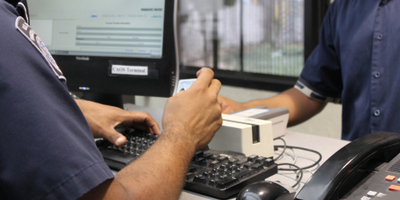
USCIS immigration officer requirements depend on the vacancy’s GS grade. A GS-9 posting, for example, accepts specialized experience, a master’s degree, two years of graduate study, or a qualifying law degree. After hiring, you’ll complete ISO BASIC training in Charleston, South Carolina, and may serve a one-year probationary period. Most officers adjudicate cases rather than make arrests.
You’re deciding who qualifies for a visa, asylum, or citizenship, not chasing anyone down for it. USCIS immigration officers process applications, adjudicate eligibility, and investigate fraud rather than patrol. Here’s what the job actually involves, and how hiring and training work, based on current USCIS vacancy postings.


What Does a USCIS Immigration Officer Do?
The U.S. immigration system runs on four principles: reuniting families, protecting refugees, admitting immigrants with valuable skills, and promoting diversity. You’d work for U.S. Citizenship and Immigration Services (USCIS), the federal agency that carries out that mission.
People mix up immigration officers with immigration enforcement agents, Border Patrol agents, and customs officials. All of them sit within the U.S. Department of Homeland Security (DHS), but each falls under a different agency within DHS and carries different authority. Most immigration officer roles determine eligibility for immigration benefits rather than directly enforce the law. Still, USCIS can designate and train specific personnel with arrest and firearms authority for particular assignments, so what an officer can do depends on the role and assignment rather than applying agency-wide uniformly.
Most immigration officers work office hours at a desk, though some roles require travel. You’ll coordinate constantly with other federal, state, and local employees, both within DHS and outside it.
The job splits into three tracks:
Immigration Officer, FDNS
Officers assigned to the Office of Fraud Detection and National Security (FDNS) identify people who use false or misleading information on citizenship, visa, or asylum applications. You’ll work alongside other local, state, and federal agencies to gather evidence before building a case, which means staying current on policy and regulatory changes at all times.
Immigration Information Officer
Information officers help applicants who legally qualify for entry or residence get through the process. You’ll walk people through their applications, check the paperwork for completeness, talk through their options with them, and flag any information that looks incorrect or misleading.
Immigration Services Officer
Services officers request documentation, interview visa, asylum, and citizenship candidates, and judge whether their claims hold up. You’ll decide whether to grant or deny a petition, coordinate with other agencies on that decision, and sometimes appear in court or work with the media when a case draws public attention.
What Do You Need to Become an Immigration Officer?
Requirements vary by the specific vacancy and its GS grade, so check the USCIS job posting you’re applying to rather than assuming a single blanket rule applies. USCIS also runs several special hiring programs for students, recent graduates, former Peace Corps and AmeriCorps volunteers, veterans, and people with disabilities.
Education and Experience Requirements
Entry-grade postings often still list a bachelor’s degree as the baseline qualification. A GS-9 posting, by contrast, typically accepts one year of specialized experience, a master’s degree, two full years of graduate study, or a qualifying law degree, and it can credit relevant nonfederal or volunteer experience toward that requirement.
ISO BASIC Training
Once hired, you’ll attend ISO BASIC (Immigration Services Officer Basic), USCIS’s foundational training course at the USCIS Academy Training Center in Charleston, South Carolina. A recent USCIS posting puts the academic portion at roughly five to six weeks, though the exact length and content depend on your specific vacancy.
Depending on the position, you may be required to serve a one-year probationary period afterward. USCIS’s postings don’t establish that this applies to every FDNS officer or that it has to end before you start working cases, so confirm the specifics for the role you’re hired into.
What Does a USCIS Immigration Officer Get Paid?
As a federal employee, your pay follows the General Schedule (GS), not a market wage. Where you land,-grade and step -depends on the specific vacancy, your qualifications, and your duty station’s locality pay. Check the current General Schedule pay tables from the U.S. Office of Personnel Management for your grade and locality before you count on a specific number.
The Bureau of Labor Statistics doesn’t track immigration officers as a separate occupation. The closest tracked line, Detectives and Criminal Investigators (SOC 33-3021), had a national median wage of $93,790 in May 2025, with the top 10 percent earning more than $160,540 (BLS OEWS, May 2025). Treat that as general comparison data for federal investigative work, not a stand-in for USCIS officer pay. It’s an imperfect match for an adjudication-focused role like this one, and a current employment growth figure for it wasn’t available in the project data at the time of this update.
What Skills Do You Need on the Job?
What Are Your Options If This Isn’t the Right Fit?
USCIS profiles current employees so you can get a real sense of what each track involves. If you want to stay in the federal law enforcement or homeland security space without adjudicating cases, related tracks like FBI Agent or a broader look at Homeland Security careers are worth a look. If federal adjudication isn’t for you but law enforcement more broadly is, a local route like Police Officer offers a different path into the field. Within USCIS itself, related jobs include:
Where to Learn More
Frequently Asked Questions
What education or experience is required to become an immigration officer?
It depends on the vacancy’s GS grade. Entry-grade postings often list a bachelor’s degree as the baseline. Higher grades, like GS-9, typically accept specialized experience, a master’s degree, two years of graduate study, or a qualifying law degree instead, and can credit relevant nonfederal or volunteer work toward the requirement.
What is ISO BASIC training?
ISO BASIC (Immigration Services Officer Basic) is USCIS’s foundational training course, held at the USCIS Academy Training Center in Charleston, South Carolina. A recent posting puts the academic portion at roughly five to six weeks, though length and content depend on the specific vacancy.
Do USCIS immigration officers carry weapons or make arrests?
Most don’t. Immigration officers primarily adjudicate applications and investigate fraud rather than make arrests. USCIS can designate and train specific personnel with arrest and firearms authority for certain assignments, so the answer depends on the role rather than applying uniformly across the agency.
How long does it take to become an immigration officer?
Beyond meeting the education or experience bar for your target grade, expect the USCIS hiring process, ISO BASIC training in Charleston, and possibly a one-year probationary period. However, specifics depend on the vacancy you’re hired under.
What’s the difference between a USCIS immigration officer and a CBP officer or Border Patrol agent?
USCIS immigration officers process applications and adjudicate eligibility for immigration benefits from an office setting. CBP officers and Border Patrol agents handle enforcement at ports of entry and the border, including inspections and apprehensions, under separate training and authority.
Key Takeaways
- Requirements depend on the GS grade of the vacancy – not one blanket bachelor’s-degree rule.
- Training runs through ISO BASIC in Charleston, South Carolina – roughly five to six weeks of academic instruction, per recent postings.
- Most officers adjudicate cases rather than make arrests – though USCIS can designate some personnel with arrest and firearms authority.
- Pay follows the federal General Schedule – check the current OPM tables for your grade and locality before counting on a number.
Before you apply, pull the actual USCIS vacancy announcement for the GS grade you’re targeting. It’ll spell out the real degree, experience, and training requirements for that specific opening, not just the general picture above.