
How to Get a Job in Law Enforcement: Recruiter Insider Tips
Updated September 22, 2026

Landing a job in law enforcement means clearing your target agency’s specific hiring process, which can include written and physical-ability testing, interviews, a background investigation, medical and psychological evaluations, and sometimes a polygraph, depending on the state and agency. Four recruiters interviewed by Criminal Justice Programs share what actually gets candidates hired and what gets them cut.
A roundtable Q&A with four law enforcement hiring professionals, originally conducted in 2020. Titles below reflect each person’s role at the time of the interview, with current updates noted where known.
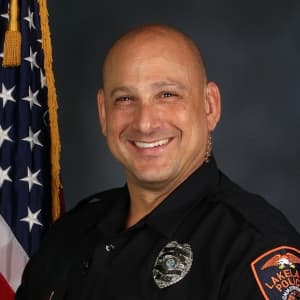
Mike Catalano, Lakeland Police Department recruitment and training officer at the time of the interview (Florida)

Hiring Manager for Maricopa County Juvenile Probation Department, at the time of the interview

Stephanie Fredrickson, then with the Colorado Department of Corrections
Jonathan Lowe, now a San Diego Police Department captain; at the time of the interview, he worked in the department’s Backgrounds and Recruiting unit


Police staffing remains a challenge for many agencies, though recent trends are improving. A 2026 Police Executive Research Forum survey found staffing among responding agencies increased 1.4% in 2025, while the Government Accountability Office found that elevated resignations and retirements from 2019 through 2024 contributed to earlier staffing declines. An earlier staffing crunch documented by NPR in 2018 was partly linked to hiring slowdowns during the Great Recession, but today’s picture reflects more recent trends in hiring, resignations, and retirements.
None of that lowers the bar for getting hired. You still have to clear your target agency’s full selection process, and most agencies remain selective about who makes it through.
How to Find Open Positions
Start by matching your skills and interests to the right agency; a school resource officer and a big-city patrol officer are different jobs, even if they wear the same uniform. Here’s where recruits actually find openings.
How to Set Yourself Up for Success
Recruiters will reach out, but you still have to be someone worth recruiting. Put in the work before you apply.
How to Navigate the Recruitment Process
Getting hired takes months, not weeks. These are the steps that trip candidates up most.
How to Reduce Potential Disqualifiers
Agencies need to hire, but they won’t hire you if you’re not qualified. Here are the red flags that end applications before they get far, though the exact standards and their weight vary by agency and state.
Recruiter Roundtable: What Actually Gets You Hired
In our original recruiter roundtable, conducted in 2020, four law-enforcement hiring professionals discussed where they find candidates, what disqualifies them, and what they wished every applicant knew. Their titles reflect their roles at the time of the interview.
Where Do You Recruit, In Person and Online?
Catalano: “I recruit in-person to every academy in the state. I have a recruiting team that also visits college job and career fairs. We have an online recruiting web page: joinlakelandpd.com.”
Hiring Manager: “Our recruitment process for JPOs [Juvenile Probation Officers] involves posting our jobs on our website, governmentjobs.com/careers/maricopa. When we do post, we get a large volume of candidates, 400-plus, so we usually only post once a year for JPOs given our low number of vacancies. We tend to prioritize applicants who have some history with juveniles in a social work capacity.”
Lowe: “We’re not limited to where we recruit. We recruit all over the internet and in person in Southern California, Los Angeles, Nevada, and Arizona when we travel. We’re also going to Texas for a mega career fair tied to a military career fair.”
Fredrickson: “We post announcements on governmentjobs.com and on multiple social media platforms: Facebook, Twitter, Instagram, LinkedIn, Indeed, Glassdoor. We also attend job fairs and network with colleges, universities, and military transition groups.”
What’s the Biggest Challenge When Finding Recruits?
Hiring Manager: “Candidates get disqualified for not submitting the background packet or supporting documentation. Some are dishonest or omit information, some don’t have a background suited to working with juveniles, and some don’t pass the polygraph or psychological evaluation.”
Lowe: “Narcotics are the number one reason people don’t move forward. With marijuana legal in some states, applicants don’t always understand that police are held to federal rules. Adderall use among younger and college-age candidates is an issue we see too.”
Fredrickson: “Some of our facilities are in outlying areas with small populations and a high cost of living.”
Catalano: “The biggest issue right now is the generational view of recruiting. This generation grew up with active-shooter drills treated as a normal part of school life, and the media exploits those incidents even though they’re not the norm. Every agency trains some response to them, but most never experience one.”
Standards around drug use and how it’s weighed in a background investigation vary by agency and state; this reflects one department’s approach at the time of the interview, not a universal federal rule applied identically everywhere.
What’s One Piece of Advice for Incoming Recruits?
Hiring Manager: “The Arizona Code of Judicial Administration mandates many disqualifiers for this position. We’re not POST [Peace Officers Standards and Training Council]- certified, but applicants should live within the law’s meaning and intent regardless. We regularly hear, ‘I smoked marijuana yesterday, but it was legal where I was.’ The federal government still classifies marijuana as illegal, and we treat it that way even when a state doesn’t.”
Editor’s note: Arizona probation officers, including juvenile probation officers, aren’t certified through Arizona POST. They’re subject to a separate Arizona Supreme Court probation-officer certification and training system, which includes completing the Probation Officer Certification Academy.
Lowe: In the original interview, then-SDPD recruiter Jonathan Lowe said that more than 40% of applicants failed the written test and 25% failed the physical abilities test at San Diego PD. His advice: “Be prepared and be honest. Study guides exist for the written exam, and agencies publish their physical standards, so there’s no excuse for losing that many candidates that early. When it comes to backgrounds, honesty and integrity are what the job is built on, starting with your first application.”
Frequently Asked Questions
Do you need a college degree to get a job in law enforcement?
Education and certification requirements vary by state, agency, and position. Many entry-level local police positions accept a high school diploma or equivalent, while some agencies require or prefer a college education, and state training or certification requirements also apply. A degree can raise your starting pay at some departments and matters more for federal roles and promotions later on.
How long does the law enforcement hiring process take?
Expect months, not weeks. Depending on the state and agency, the process may include written and physical-ability testing, interviews, a background investigation, medical and psychological evaluations, and sometimes a polygraph.
What disqualifies you from getting hired in law enforcement?
Disqualifiers vary by agency and state, but common ones include an incomplete or dishonest background packet, failing the physical fitness or written exam, and unresolved Selective Service registration where it applies. Recent drug use is also frequently disqualifying, though how it’s evaluated, including marijuana in states where it’s legal, depends on the individual agency’s standards.
What’s the most common reason candidates fail the hiring process?
It varies by agency, since there’s no single national hiring exam. In a 2020 interview, then-SDPD recruiter Jonathan Lowe said his department saw more than 40% of applicants fail the written test and 25% fail the physical abilities test, the first two steps in that agency’s process.
Key Takeaways
- A degree isn’t always the gate – many entry-level agencies accept a high school diploma or equivalent, though requirements vary by state and agency.
- There’s no single national hiring exam – get your target department’s specific written, physical, background, medical, and certification requirements before you apply.
- Disqualifiers are taken seriously, but standards vary – an incomplete background packet, recent drug use, and unresolved Selective Service registration are common red flags, weighed differently from agency to agency.
- Recruiters value consistent, honest contact – responding promptly and truthfully throughout the process is itself part of the evaluation.
Every agency runs its own version of this process, so the most useful next step is to pull your target department’s specific requirements directly from their recruiting page and compare them against what you’ve read here.